
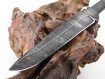
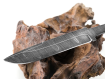
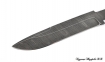
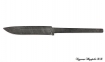


Skiff Blade Damascus
Skiff Blade Damascus
Dear customers, at the request of the sharpening of the blade. The cost of the product will not change. Specify Your wishes in the note to the order.
Information about payment and shipping of the knife.
Dear customerssend the knife is carried out in any region of Russiathrough post offices -cash on delivery (payment on delivery), the shipping cost about 200 - 400 rubles., depending on Your location.
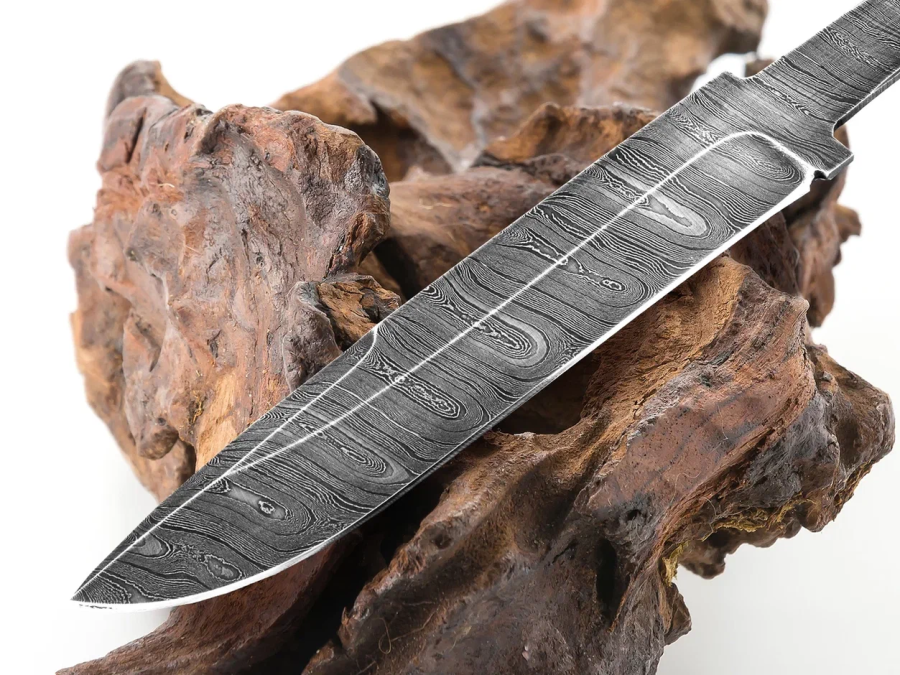
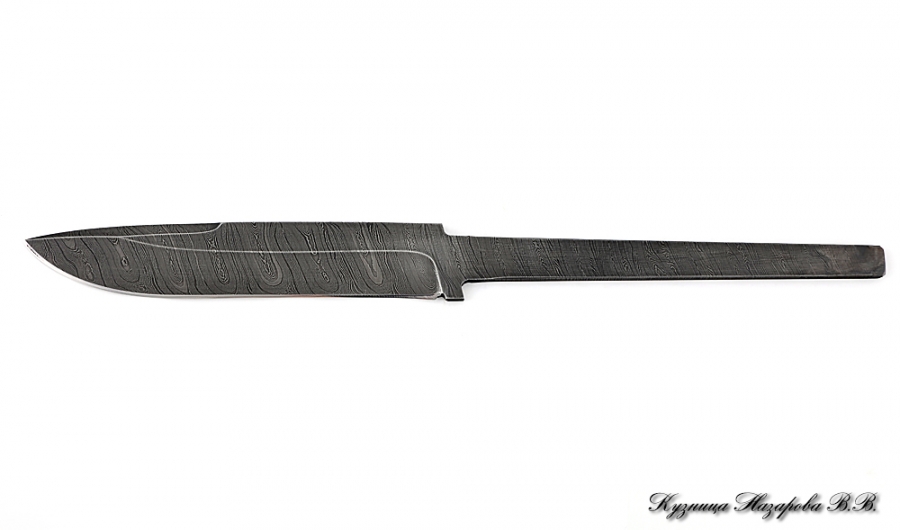
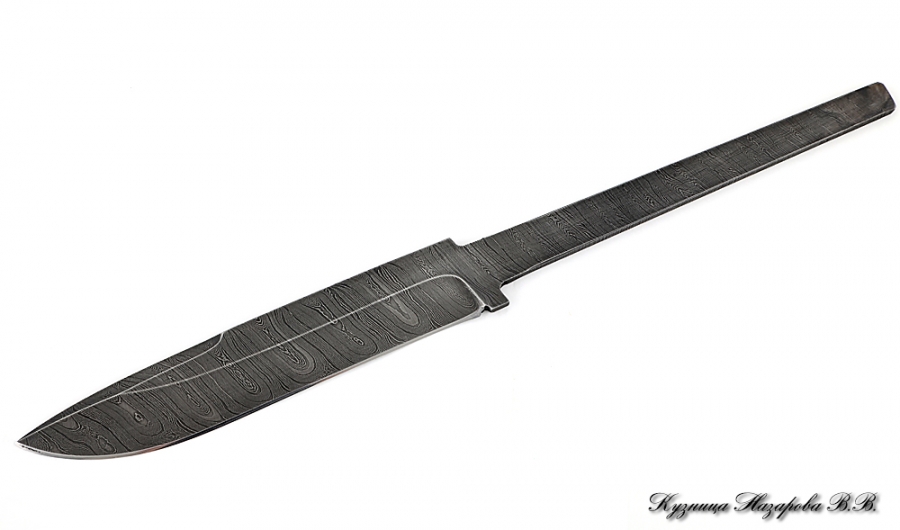
- Blade steel tipeDamascus
- Lengtn blade (os)120 mm
- Толщина клинка2.4 mm
- Witdth blade (os)23 mm
- Shank length125
- Hardness (HRC)62
5.0 / 5
5 stars
6
4 stars
0
3 stars
0
2 stars
0
1 star
0
Reviews6 reviews
С
February 14, 2021 15:12
М
July 24, 2020 13:24
А
April 20, 2018 13:47
Title
Без заголовка
Comment
Клинок брался из романтических (дамаск - необычно, красиво)) и практических (размер+форма) соображений. Форма более менее универсальная - позволяет без напряга делать что угодно.
Порадовал длинный и мощный хвостовик - можно смело экспериментировать с рукоятью и при эксплуатации быть уверенным, что она не переломится или расшатается клинок (остановился на варианте наборной рукояти - орех+береста+берёза).
Эксплуатируется и в полевых и в домашних условиях - поделки из дерева, рубка веток/щепок, нарезка всего и вся по кухне (ну может, кроме лука-репки и лимона). При своевременной протирке досуха - особых проблем с коррозией не заметно (в полевых условиях пятна успешно оттираются или мелким серым речным песком, или мелом/мягким сланцевым камнем).
Заточку держит нормально - в принципе, при внешней помощи справляется и с небольшими костями (рульку на холодец пришлось разрубать ибо в кастрюлю не влазила)). Сам клинок также довольно крепок на изгиб (с его помощью отгибалась дверца машины, когда ключи в салоне заперлись). К случайным стрессам типа попадания по камням/железу во время работы стоек.
Порадовал длинный и мощный хвостовик - можно смело экспериментировать с рукоятью и при эксплуатации быть уверенным, что она не переломится или расшатается клинок (остановился на варианте наборной рукояти - орех+береста+берёза).
Эксплуатируется и в полевых и в домашних условиях - поделки из дерева, рубка веток/щепок, нарезка всего и вся по кухне (ну может, кроме лука-репки и лимона). При своевременной протирке досуха - особых проблем с коррозией не заметно (в полевых условиях пятна успешно оттираются или мелким серым речным песком, или мелом/мягким сланцевым камнем).
Заточку держит нормально - в принципе, при внешней помощи справляется и с небольшими костями (рульку на холодец пришлось разрубать ибо в кастрюлю не влазила)). Сам клинок также довольно крепок на изгиб (с его помощью отгибалась дверца машины, когда ключи в салоне заперлись). К случайным стрессам типа попадания по камням/железу во время работы стоек.
А
April 20, 2018 13:46
Title
Без заголовка
Comment
Клинок брался из романтических (дамаск - необычно, красиво)) и практических (размер+форма) соображений. Форма более менее универсальная - позволяет без напряга делать что угодно.
Порадовал длинный и мощный хвостовик - можно смело экспериментировать с рукоятью и при эксплуатации быть уверенным, что она не переломится или расшатается клинок (остановился на варианте наборной рукояти - орех+береста+берёза).
Эксплуатируется и в полевых и в домашних условиях - поделки из дерева, рубка веток/щепок, нарезка всего и вся по кухне (ну может, кроме лука-репки и лимона). При своевременной протирке досуха - особых проблем с коррозией не заметно (в полевых условиях пятна успешно оттираются или мелким серым речным песком, или мелом/мягким сланцевым камнем).
Заточку держит нормально - в принципе, при внешней помощи справляется и с небольшими костями (рульку на холодец пришлось разрубать ибо в кастрюлю не влазила)). Сам клинок также довольно крепок на изгиб (с его помощью отгибалась дверца машины, когда ключи в салоне заперлись). К случайным стрессам типа попадания по камням/железу во время работы стоек.
Порадовал длинный и мощный хвостовик - можно смело экспериментировать с рукоятью и при эксплуатации быть уверенным, что она не переломится или расшатается клинок (остановился на варианте наборной рукояти - орех+береста+берёза).
Эксплуатируется и в полевых и в домашних условиях - поделки из дерева, рубка веток/щепок, нарезка всего и вся по кухне (ну может, кроме лука-репки и лимона). При своевременной протирке досуха - особых проблем с коррозией не заметно (в полевых условиях пятна успешно оттираются или мелким серым речным песком, или мелом/мягким сланцевым камнем).
Заточку держит нормально - в принципе, при внешней помощи справляется и с небольшими костями (рульку на холодец пришлось разрубать ибо в кастрюлю не влазила)). Сам клинок также довольно крепок на изгиб (с его помощью отгибалась дверца машины, когда ключи в салоне заперлись). К случайным стрессам типа попадания по камням/железу во время работы стоек.
А
April 13, 2018 17:32
Title
Без заголовка
Comment
Клинок "Скиф" у меня уже больше года. Давно хотелось дамаскскую сталь...романтика, что ли..)
Порадовал длинный хвостовик - можно поиграться с разными рукоятями.
Сейчас остановился на наборной - орех, береста, берёза.
Эксплуатировался довольно плотно, в основном, как нож для работ по дереву, плюс дела походные (ветки, полешки, щепки), кухня (чистка, резка и т.п.).
Клинку не особо страшны случайные попадания по камню. В полевых условия подправить можно. Если вовремя протирать насухо, не корродирует, на крайний случай легко чистится, например, серым речным песком или сланцевым камнем.
По заточке...сложно сказать...в целом держит нормально. Рубку кости выдержал (ну нехорошо, но пришлось разок)).
Довольно крепок - опять же был случай - с его помощью пришлось отгибать дверцу машины (ключи заперлись)).
В целом клинком очень доволен.
Порадовал длинный хвостовик - можно поиграться с разными рукоятями.
Сейчас остановился на наборной - орех, береста, берёза.
Эксплуатировался довольно плотно, в основном, как нож для работ по дереву, плюс дела походные (ветки, полешки, щепки), кухня (чистка, резка и т.п.).
Клинку не особо страшны случайные попадания по камню. В полевых условия подправить можно. Если вовремя протирать насухо, не корродирует, на крайний случай легко чистится, например, серым речным песком или сланцевым камнем.
По заточке...сложно сказать...в целом держит нормально. Рубку кости выдержал (ну нехорошо, но пришлось разок)).
Довольно крепок - опять же был случай - с его помощью пришлось отгибать дверцу машины (ключи заперлись)).
В целом клинком очень доволен.
С
March 26, 2018 13:25
Title
Скиф
Comment
Если кости не рубить,хватает на 2 месяца без заточки.Качество супер.2
В видеоматериале представлено похожее изделие. Может отличаться по некоторым параметрам.
В видеоматериале представлено похожее изделие. Может отличаться по некоторым параметрам.