

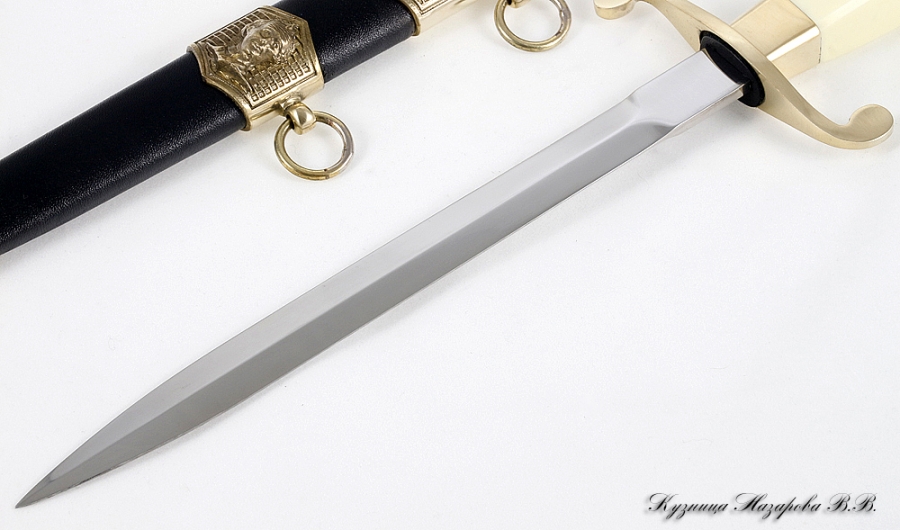
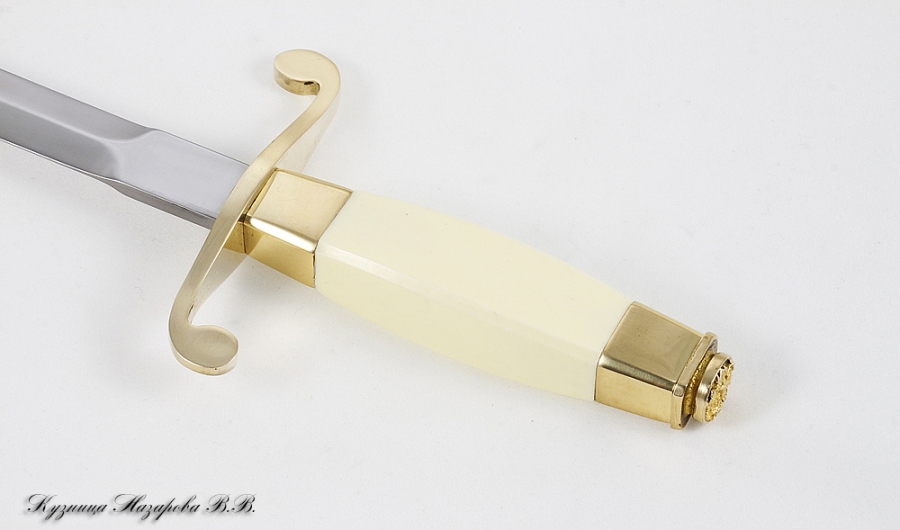
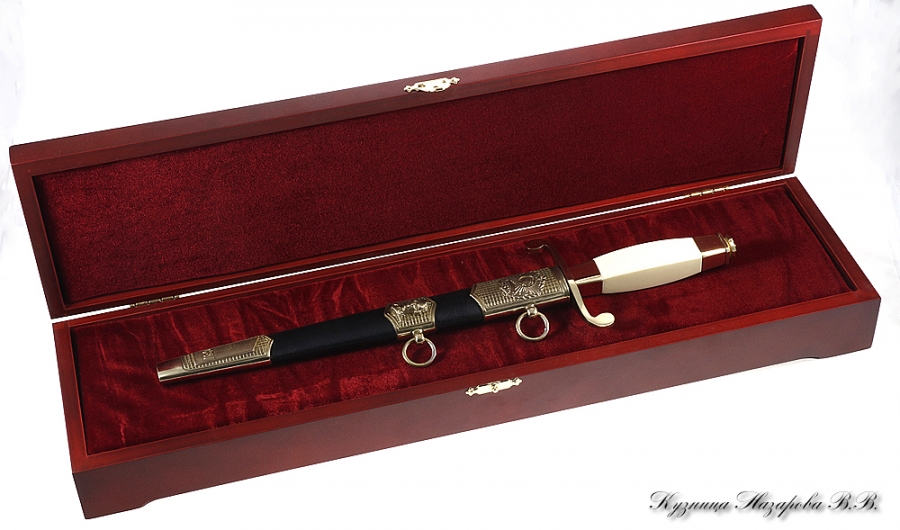


Кортик офицерский СВУ (Суворовское военное училище)
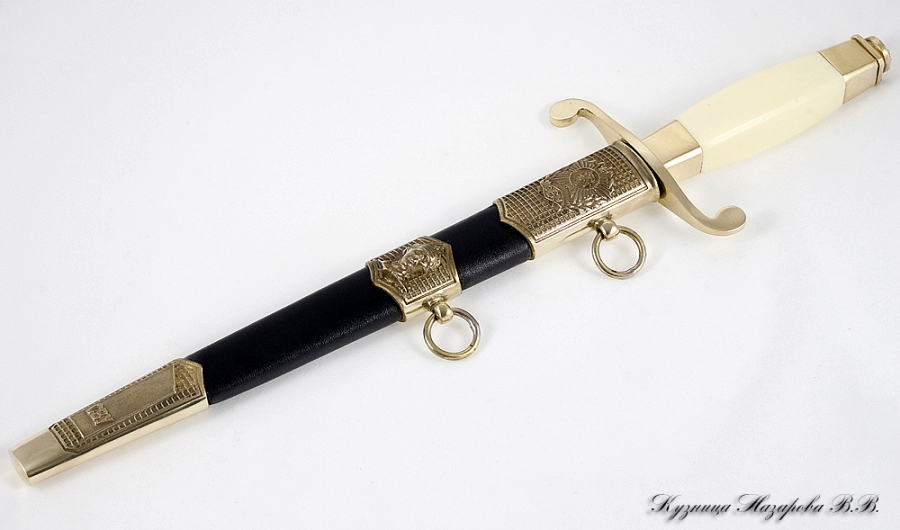
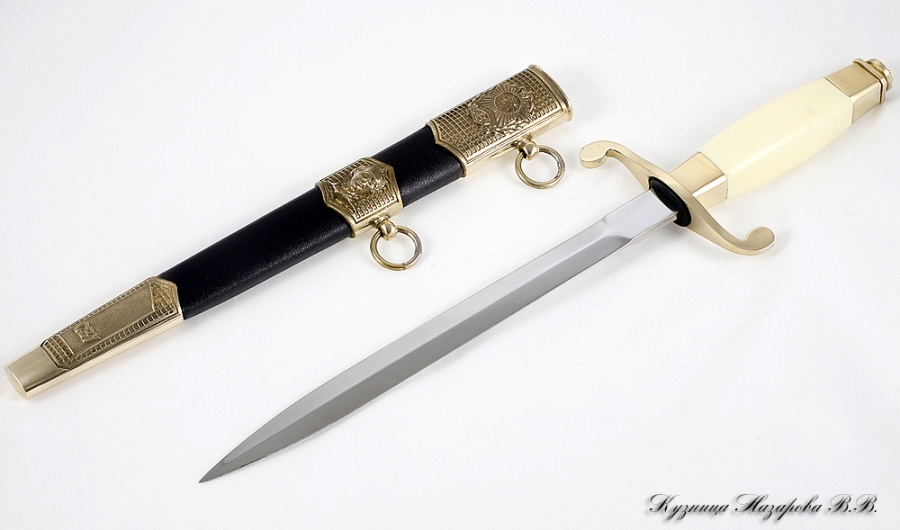
Кортик офицерский СВУ (Суворовское военное училище)
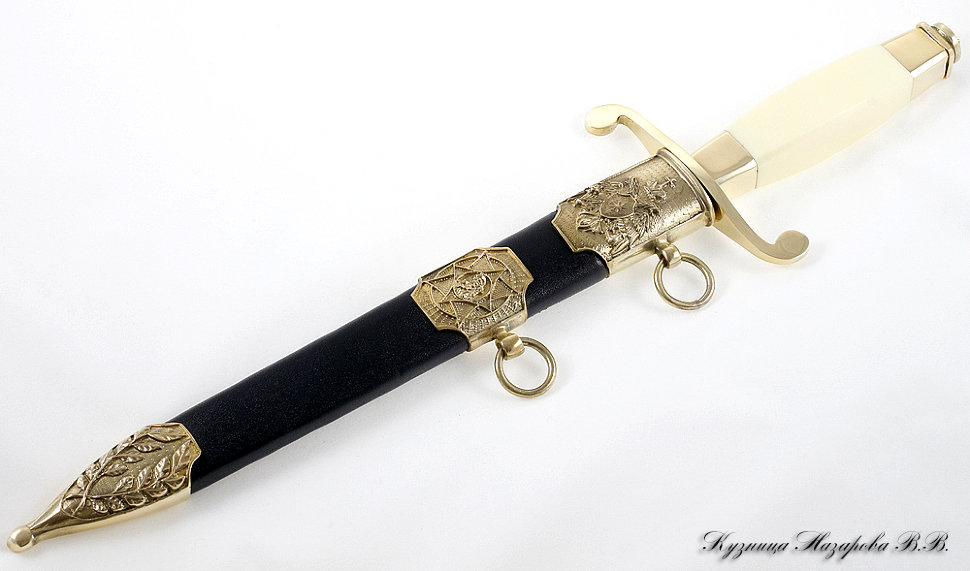

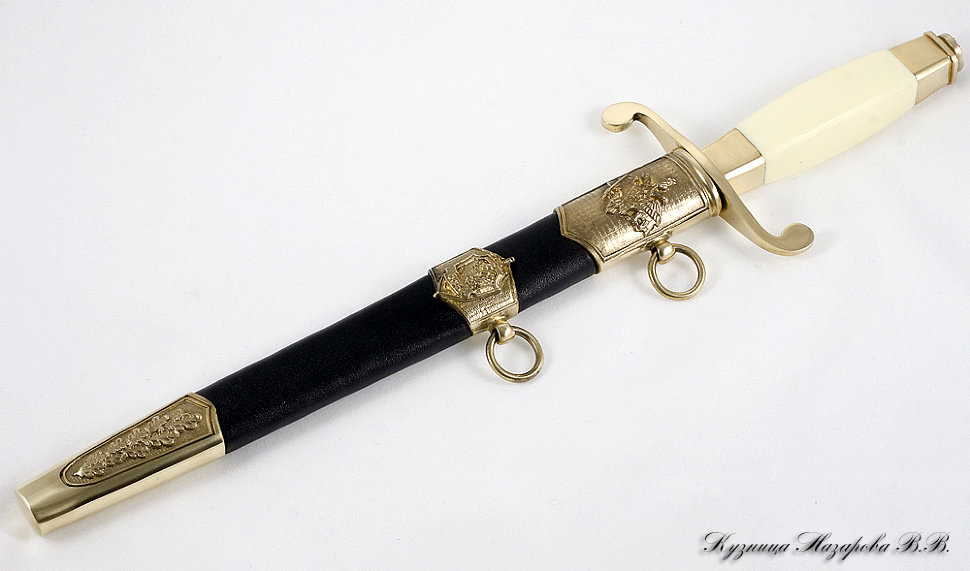

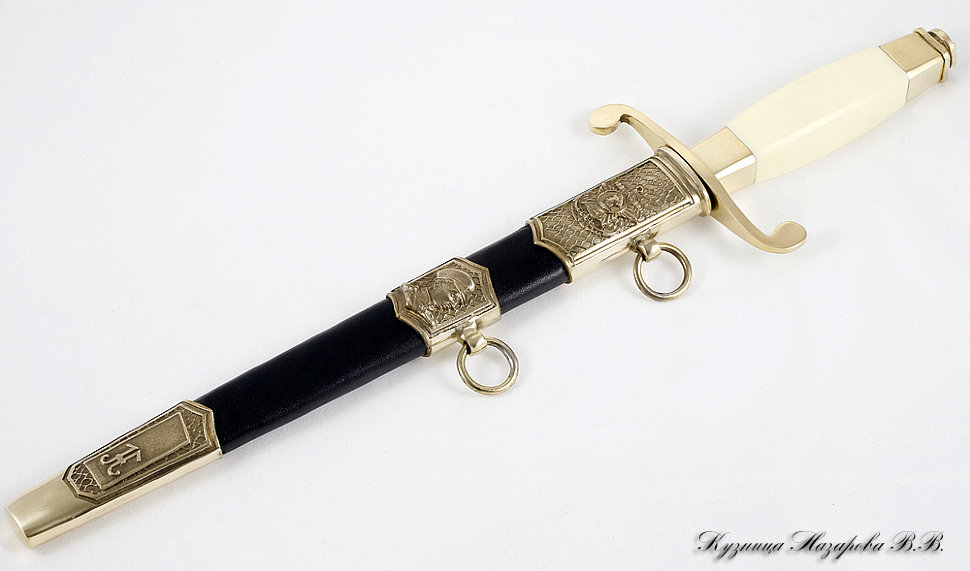


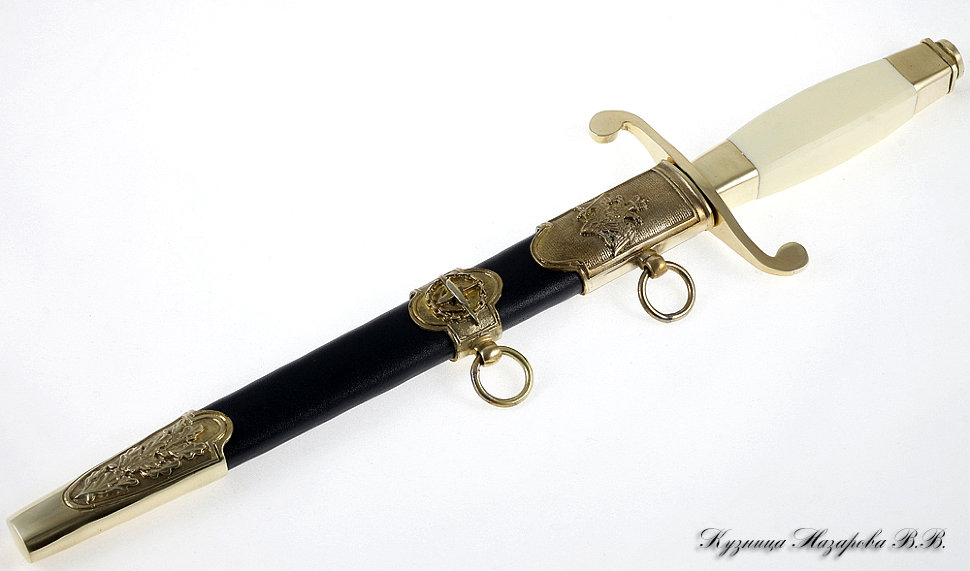


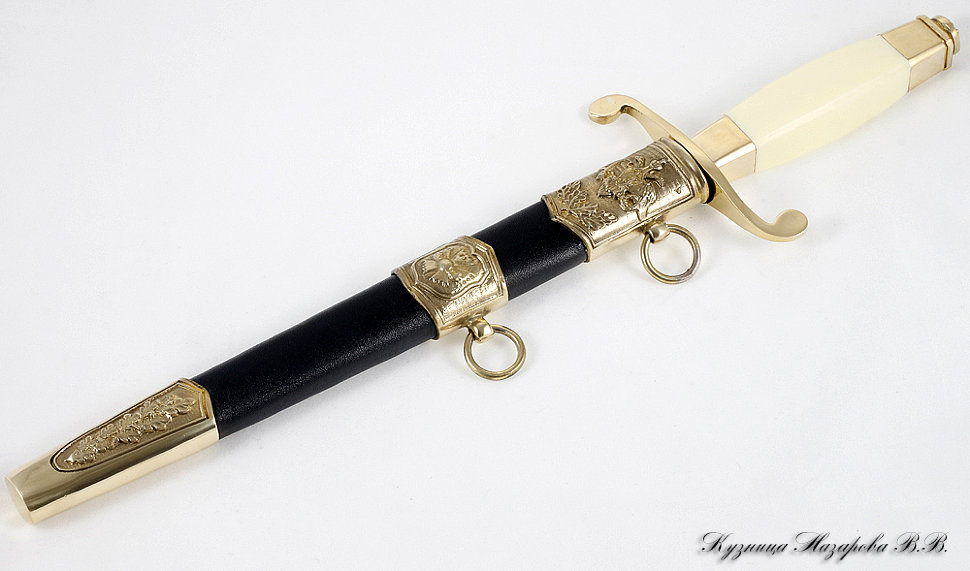
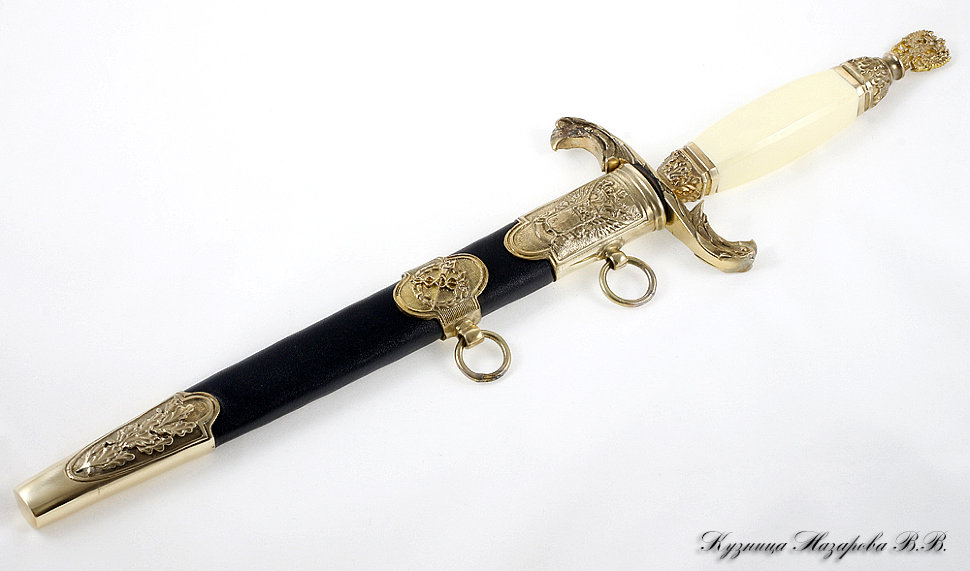
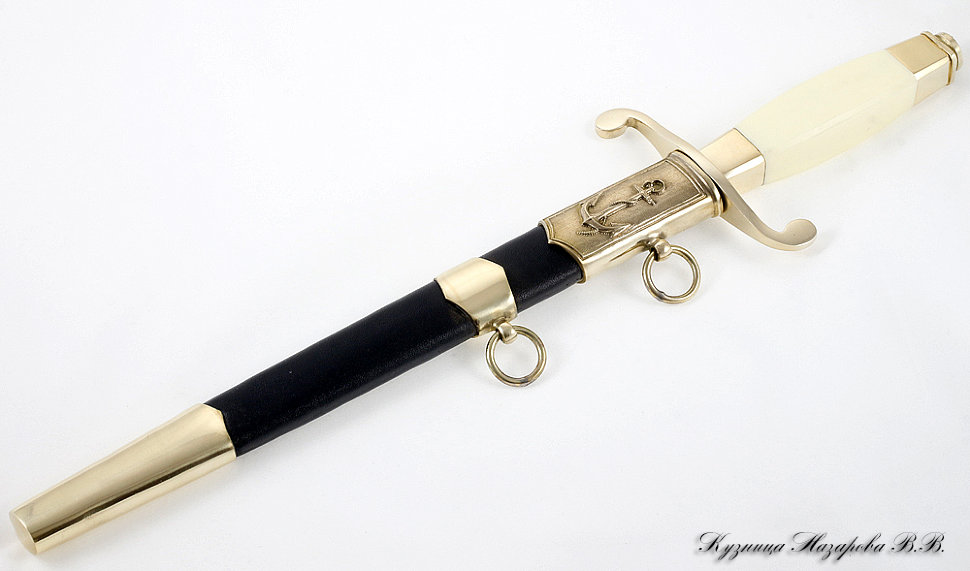


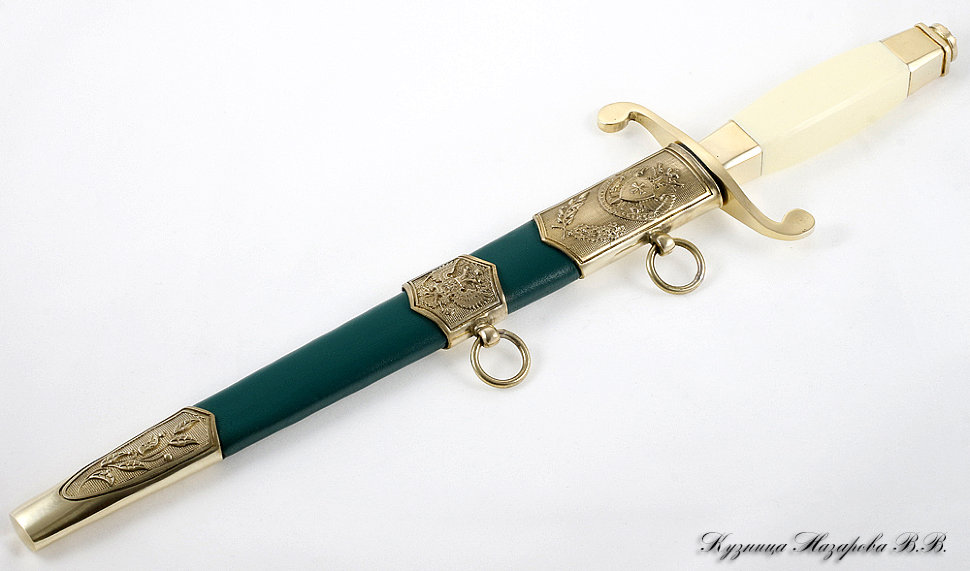

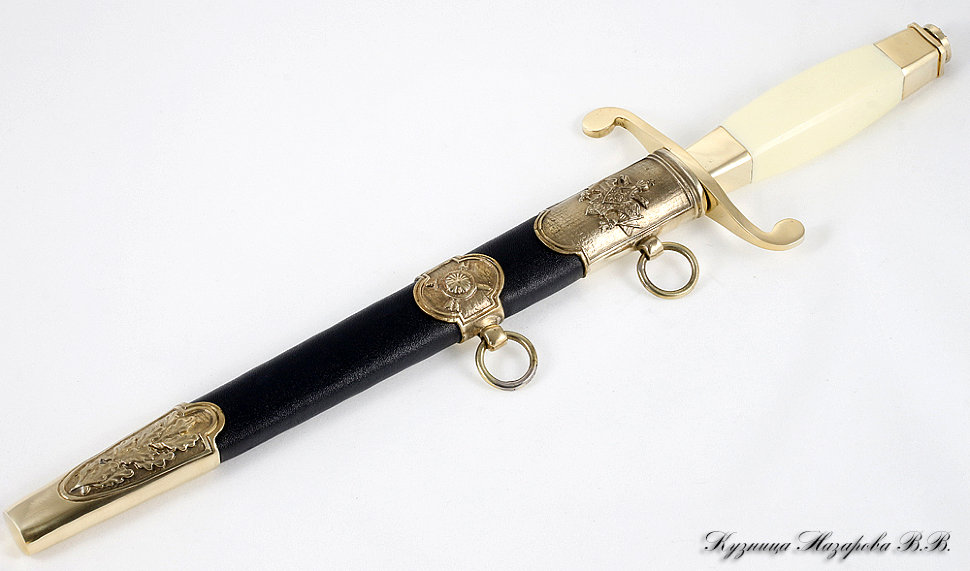
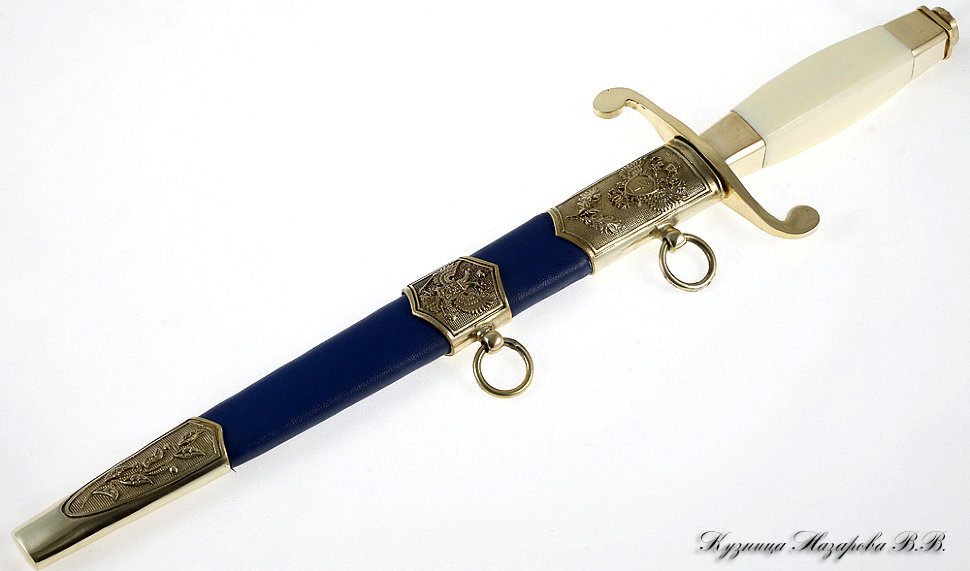
- Форма клинкаКортик
- Сталь клинка65x13
- Длина клинка205 мм
- Ширина клинка15 мм
- Толщина клинка3.5 мм
- Длина рукояти102 мм
- Твёрдость клинка, HRC25
- НожныПластик, латунь
- Вес изделия320
Детальный разбор свойств и особенностей
Сталь клинка: 65Х13 — отечественная нержавеющая сталь, известная отличным балансом коррозионной стойкости и технологичности для массового производства. Такой состав стали обеспечивает неприхотливость к уходу, устойчивость к влажной среде и относительно простую заточку. Однако данный экземпляр имеет твёрдость 25 HRC — это крайне низкое значение для холодного оружия и изделия, предназначенного для серьезной работы. Такая твердость свидетельствует о высокой пластичности, отсутствии склонности к сколам и легкости правки, но при этом — о слабой способности держать заточку.
Длина и геометрия: Клинок длиной 205 мм, шириной 15 мм и толщиной 3,5 мм выполнен в классической форме кортика. Такая геометрия обеспечивает эстетику и историческую узнаваемость, рассчитана на преимущественно колющее (а не режущее) движение, характерное для церемониального или парадного оружия. Длина рукояти 102 мм позволяет удобно удерживать нож в руке среднего размера, что важно при демонстрациях или выполнении торжественных ритуалов.
Рукоять и удержание: Материал рукояти в представленном описании не указан, но традиционно для офицерских кортиков она изготавливается из латуни, пластика или синтетического материала с гладкой поверхностью. В обычных условиях (парад, ношение в ножнах) нож отлично лежит в руке, однако при активных, особенно влажных работах возможно скольжение — это нужно учитывать.
Устойчивость к влаге и коррозии: 65Х13 — одна из лучших нержавеющих сталей по отечественным стандартам, практически не поддаётся коррозии при обычном уходе. Латунные и пластиковые элементы ножен также устойчивы к внешним воздействиям, что важно для многолетнего сохранения внешнего вида и функциональности.
Износостойкость и прочность: Сталь 65Х13 в данном исполнении с твёрдостью 25 HRC очень мягкая — она не предназначена для силовых работ или продолжительного реза. Такой клинок с трудом удерживает заточку даже при легких нагрузках. Зато практически не боится случайных падений или деформаций — металл скорее погнется, чем сломается или даст скол.
Уход и заточка: Изделие легко правится даже простейшими средствами, не требует сложного обслуживания. Мягкая сталь быстро затачивается, но столь же быстро и теряет остроту при хоть сколь-нибудь интенсивном использовании. Для поддержания внешнего вида достаточно периодически протирать клинок, защищая его от загрязнений.
Особенности формы кортика: Классический кортик — это длинный, прямой клинок с острым концом, идеально подходящий для колющих движений. Такая форма имеет историческое значение: кортики традиционно применялись как церемониальное или статусное офицерское оружие, а не как универсальный рабочий нож. Для резки или тяжелых работ форма не предназначена.
Область применения, преимущества и ограничения
- Оптимальное применение: парадный аксессуар, церемониальное оружие, коллекционирование, сувенир, подарок выпускнику Суворовского военного училища. Отлично подходит для демонстрации, ношения на форме, украшения интерьера, поддержания воинских традиций.
- Преимущества: высокая коррозионная стойкость, простота ухода, эстетика и историческая аутентичность, мягкость и пластичность металла (без риска сколов), уникальный статусный облик.
- Ограничения: не подходит для бытовых и хозяйственных задач, не предназначен для резки, разделки или тяжелых работ. Быстро тупится при попытке использовать как универсальный нож. Форма рукояти и клинка не рассчитана на устойчивость в руке при влажной, грязной или силовой работе.
Уникальные особенности
Историческое наследие кортика подчеркивает его статус: это символ офицерской чести и преемственности поколений. Ручная работа и традиционные материалы (латунь, пластик, сталь 65Х13) формируют не только презентабельный внешний вид, но и практичность для длительного хранения без риска потери внешнего лоска. Подобные изделия ценятся среди коллекционеров и выпускников военных училищ.
Рекомендации и выводы
Офицерский кортик СВУ — это идеальный выбор для тех, кому важны историческая аутентичность, символика и презентабельный облик, а не практические режущие свойства. Он отлично подходит для коллекционеров, офицеров, суворовцев и тех, кто ищет статусный подарок или памятный сувенир. Не рекомендуется приобретать изделие в качестве инструмента для туриста, охотника или в качестве рабочего ножа для кухни или хозяйства — функционал кортика ограничен исключительно ритуальными и декоративными задачами.
- Уход: Протирайте сталь после каждого контакта с влагой или руками, следите за чистотой ножен и рукояти. Регулярная заточка не потребуется, если нож используется по назначению.
- Кому подойдет: Коллекционерам, ценителям военной истории, выпускникам и кадетам СВУ, для торжественных мероприятий и памятных подарков.
- Кому не подойдет: Для туристов, охотников, рыбаков и всех, кому нужен универсальный нож для реальной работы.
Если вы хотите подчеркнуть офицерскую традицию и высочайшую статусность — этот кортик станет достойнейшим выбором.
- Категории:
- Офицерские кортики
- Кортики сувенирные
Помогите другим пользователям с выбором - будьте первым, кто поделится своим мнением об этом товаре.
Картой или через СБП на сайте — без комиссии. При получении — на почте или в СДЭК, комиссию за перевод берёт служба доставки; с 5Post — только оплата на сайте. При самовывозе — любым способом. С помощью менеджера — по квитанции или счёту. Подробнее — Оплата.
Почта России и 5Post («Пятёрочка») — от 350 ₽, СДЭК — от 500 ₽, курьером до двери — дороже; 3–7 рабочих дней. Самовывоз со склада кузницы в Ворсме — бесплатно. Оплата на сайте или при получении (5Post — только на сайте), по предоплате дешевле. Посылку можно вскрыть и проверить до оплаты. Нож из наличия обычно отправляем в течение дня. Подробнее — Доставка.