- Главная
- Online knife shop
- By type of steel
- Damaskus knives
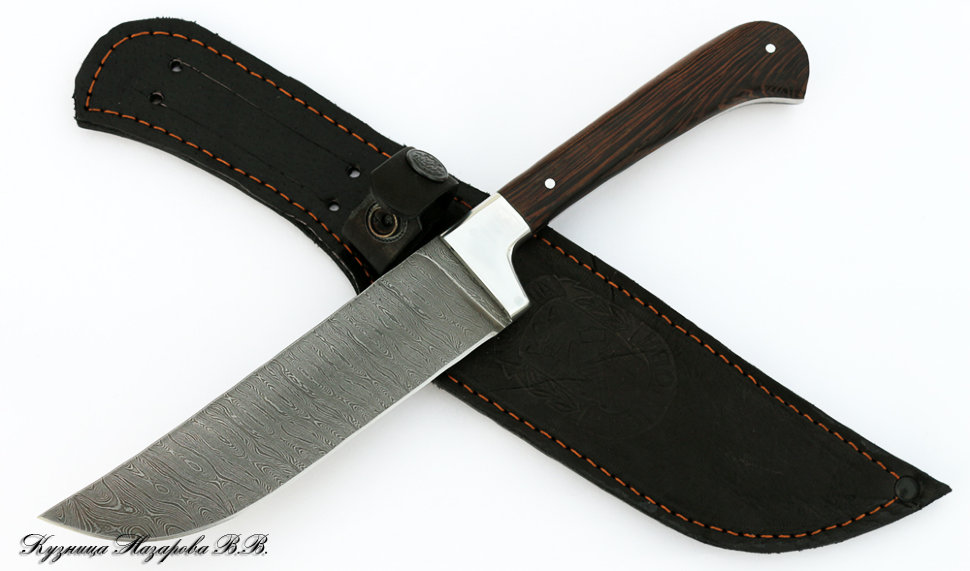
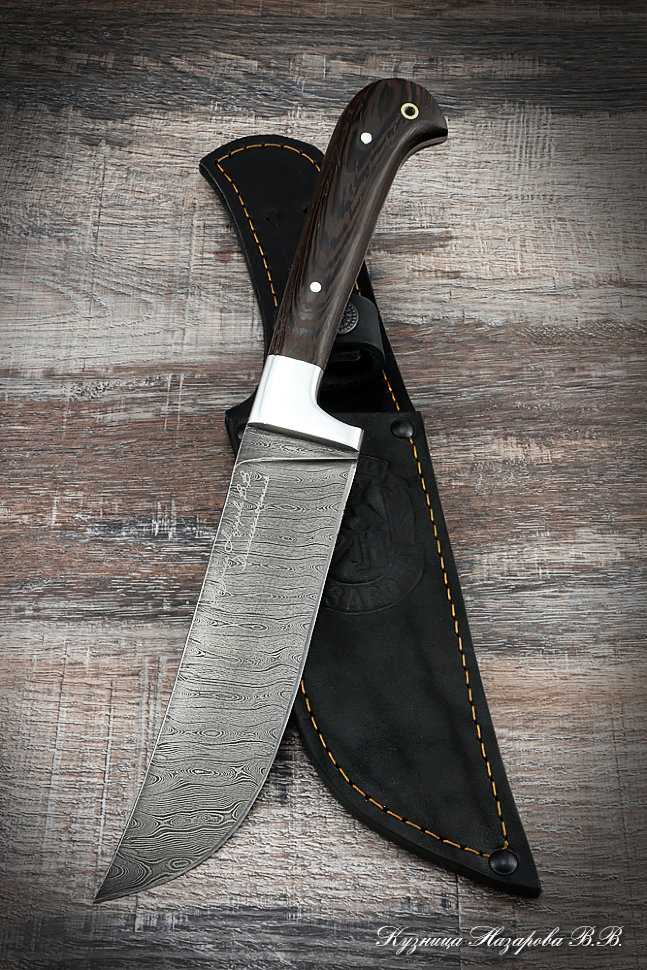
- Knife Uzbek Damascus black hornbeam wenge


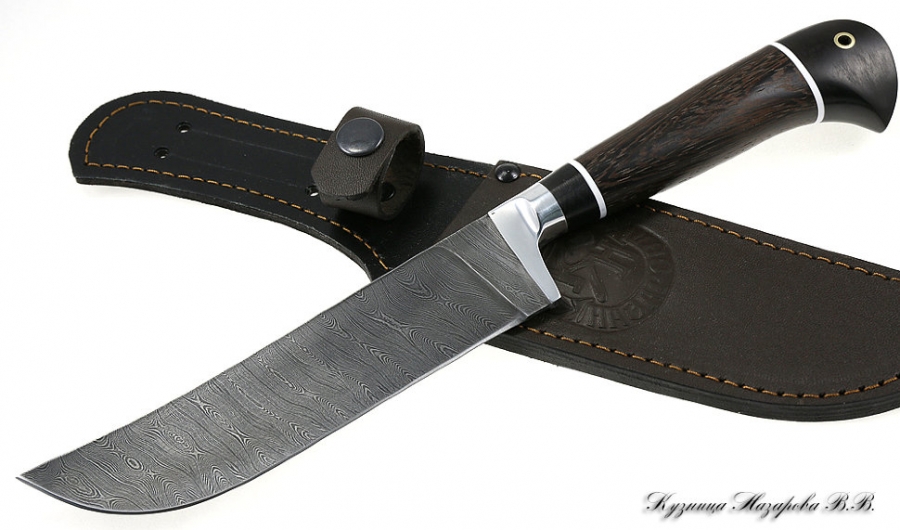
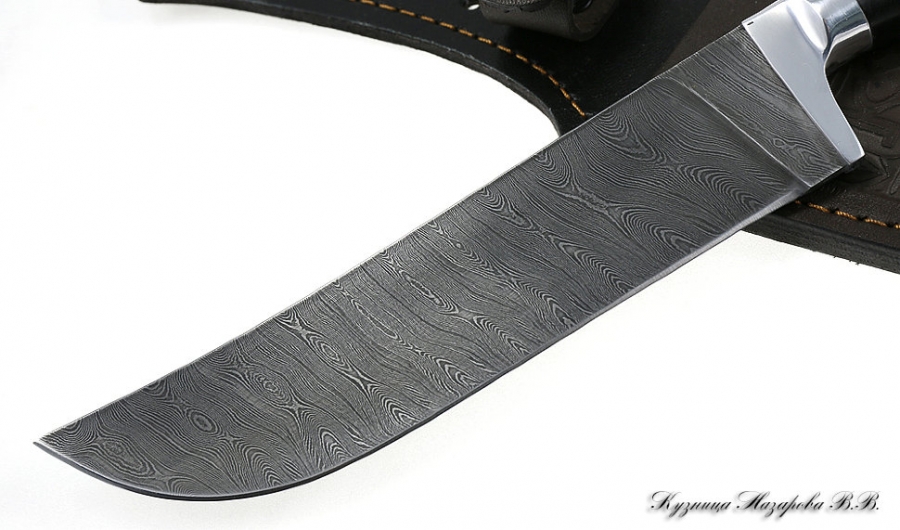
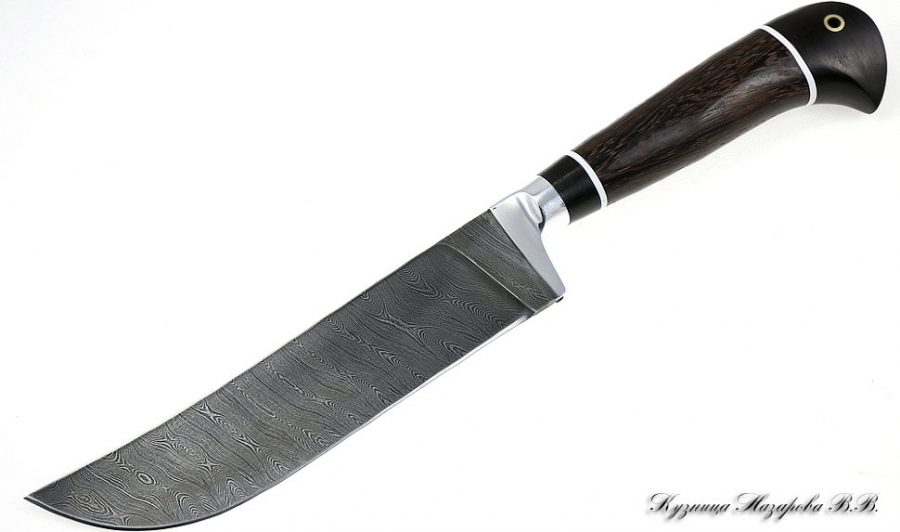
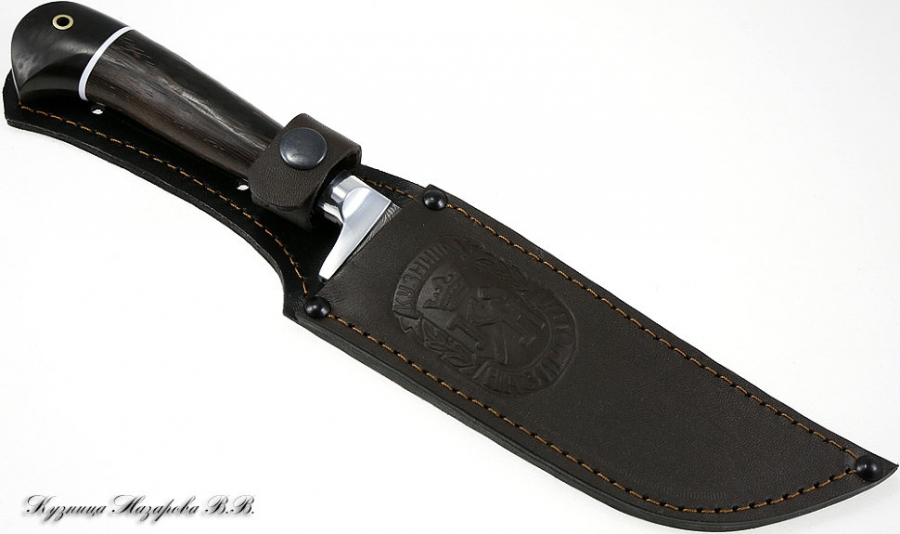


Knife Uzbek Damascus black hornbeam wenge
Knife Uzbek Damascus black hornbeam wenge
- Blade steel tipeDamascus
- Материал рукоятиВенге, Черный граб
- Lengtn blade (os)150 mm
- Witdth blade (os)36 mm
- Толщина клинка3.2 mm
- Lengtn handle (os) 130 mm
- Hardness (HRC)62
- КонструкцияФиксированные
- Форма клинкаTrailing point
Detailed analysis of the properties and features of the knife
Blade steel: Damascus (HRC 62)
The blade is made of Damascus steel, characterized by high strength, wear resistance and aesthetic beauty due to the unique pattern on each surface. The hardness of 62 HRC guarantees a long period of maintaining the sharpness of the cutting edge, even with intensive use. Such steel withstands loads well, is resistant to deformation and retains its sharpness for a long time. However, Damascus steel requires regular maintenance to prevent corrosion: after use, it is recommended to wipe the knife dry and lubricate it with oil periodically, especially when stored in humid conditions.
Handle material: wenge and black hornbeam
The handle combines two noble materials: wenge and black hornbeam. Wenge is famous for its hardness, resistance to moisture and mechanical damage, and black hornbeam has an elegant texture that fits well in the hand even with prolonged use. This combination provides excellent grip, resistance to temperature changes and durability. The handle surface does not slip even in a wet hand, which is especially important for field conditions, tourism and cuisine.
Geometry and dimensions of the blade: trailing point
The blade is 150 mm long, 36 mm wide and 3.2 mm thick. It is made in the trailing point shape, popular among oriental knives, with a raised tip. This shape is ideal for thinning, precise cuts, slicing, and skinning, thanks to its high tip control and long cutting edge. The geometry ensures a smooth, "flying" cut and makes it easier to control the knife even in difficult tasks. The 3.2 mm thickness makes the knife reliable and provides a margin of safety when working with products of different densities.
Features of operation and maintenance
Damascus steel requires careful treatment: avoid prolonged contact with moisture, aggressive detergents, acids and salts. For a long service life of the knife, clean and wipe the blade after each use, keep the knife dry and periodically treat the blade with a thin layer of mineral oil. The handle made of wenge and hornbeam does not require special care, but to maintain a beautiful appearance, it is sometimes recommended to wipe it with special natural wood products.
Scope of application, advantages and limitations
Optimal application:
- Cooking: Ideal for cooking meat, fish, vegetables, thinning and delicate slicing.
- Hunting: convenient for butchering and skinning due to the shape of the trailing point.
- Hiking and camping: versatile, works well with different products and minimal maintenance in the field.
- Collectibles: The aesthetics of Damascus and the handwork make the knife a valuable piece for the collection.
- It is not recommended to use it for cutting bones, hard objects, or woodwork – the blade may get microscipped or blunt.
- Damascus steel is less resistant to aggressive chemical environments and prolonged exposure to moisture compared to stainless alloys.
Wear resistance and durability:excellent – due to its high hardness, which allows you to use the knife actively and for a long time.
Ease of sharpening:Stable sharpness and easy maintenance when using a specialized sharpening tool.
Unique features and advantages
- Exclusive appearance thanks to the multi-layered Damascus steel and handmade by the master.
- The wenge and black hornbeam handle provides not only aesthetic appeal, but also an excellent, confident grip in all conditions.
- The shape of the trailing point blade perfectly reveals itself for delicate, precise work, special milling and fast cutting.
- Authentic historical heritage: the Uzbek form of the knife has been known since ancient times as a versatile kitchen and household tool.
Brief recommendations
This knife will be the best choice for chefs, hunters, tourists and connoisseurs of beautiful and functional products who appreciate handmade, aesthetics and sharp working properties. For those who require impeccable resistance to moisture or plan to use a knife for heavy work on bones and wood, it is better to consider other options.
Care recommendations:clean regularly, wipe dry after work, lubricate the blade with mineral oil, do not leave the knife in a wet state, take care of the handle with specialized wood products — this way your knife will retain its beauty and functionality for many years to come.